Author: ls_seo

  • UK’s Iconic Film and TV Locations

    UK’s Iconic Film and TV Locations

    The UK has long been a favorite for filmmakers, offering historic castles, dramatic landscapes, and bustling city streets that bring movies and television series to life. From blockbuster franchises like Harry Potter and James Bond to period dramas such as The Crown and Downton Abbey, the UK is a treasure trove of cinematic landmarks. Here’s a look at some of the most famous locations that have graced the big and small screens.

    London

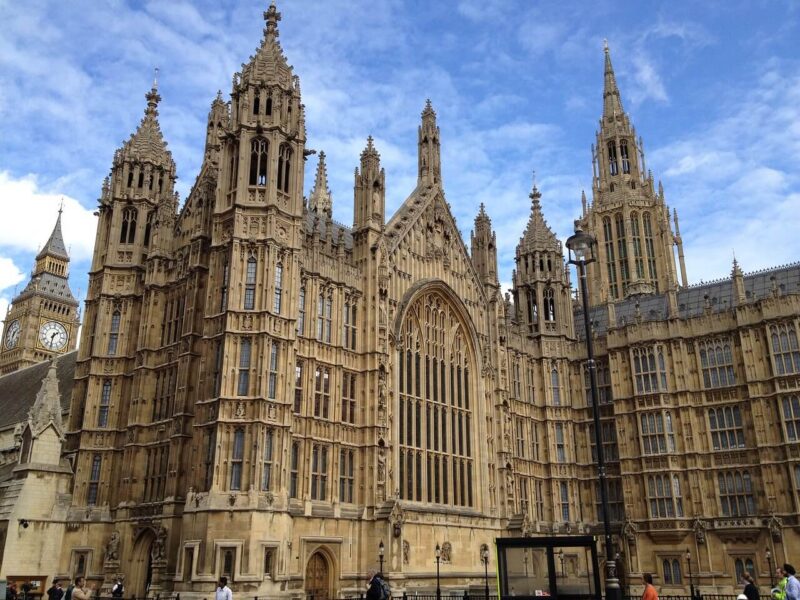
    Westminster Abbey & Big Ben (The Crown, Sherlock Holmes)

    One of the most recognizable landmarks in London, Big Ben and Westminster Abbey have been featured in numerous films and television shows. The grand Gothic architecture and historic significance make them a perfect setting for royal dramas and detective thrillers.

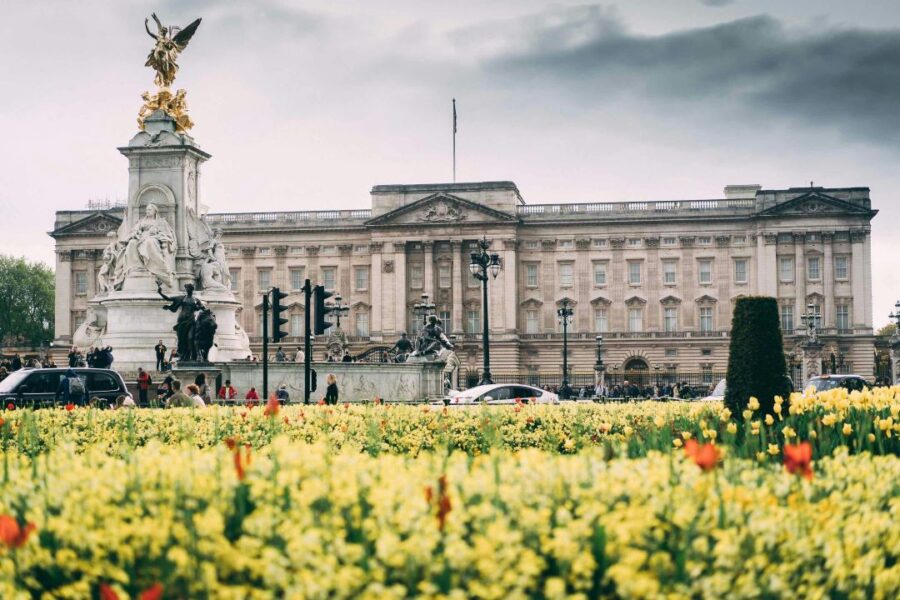
    Buckingham Palace & Tower of London (The Crown, James Bond)

    As the official residence of the British monarch, Buckingham Palace has served as a backdrop for various royal films and TV series, including The Crown. The Tower of London, steeped in history, is another iconic location, often used in historical documentaries and thrillers.

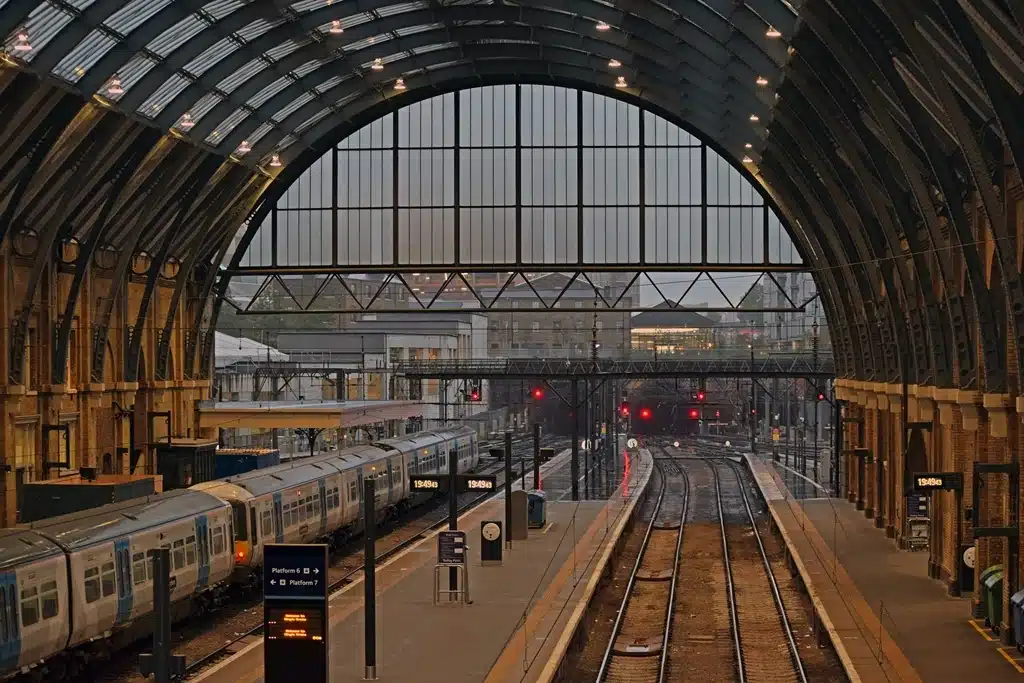
    Kings Cross Station & Platform 9¾ (Harry Potter)

    Perhaps one of the most famous modern film locations, Kings Cross Station is where young wizards in Harry Potter board the Hogwarts Express from Platform 9¾. The station attracts thousands of fans eager to take photos with the trolley embedded in the wall.

    Windsor Castle (The Crown, Downton Abbey)

    Windsor Castle, one of the Queen’s residences, has been a backdrop for several royal-focused films and series. Its regal halls and grand gardens have made it a perfect setting for period dramas.

    Stonehenge (Doctor Who, Thor: The Dark World)

    The mysterious Stonehenge, one of the world’s most famous prehistoric sites, has appeared in science-fiction and fantasy films, adding an air of mystery to many stories.

    Bath & Its Georgian Architecture (Bridgerton)

    The stunning Georgian architecture of Bath has been heavily featured in Bridgerton, with its romantic, historical setting providing the perfect backdrop for lavish period scenes.

    Scotland

    Loch Ness & The Highlands (Outlander, Braveheart)

    Scotland’s vast, dramatic landscapes have been a filmmaker’s dream for centuries. From the sweeping beauty of Loch Ness to the rugged Highlands, these locations have played host to epic historical dramas like Outlander and Braveheart.

    Edinburgh Castle & The Royal Mile (Harry Potter, The Da Vinci Code)

    J.K. Rowling famously wrote much of Harry Potter while living in Edinburgh, and the city’s gothic architecture has inspired elements of Hogwarts. The Royal Mile and Edinburgh Castle have also been featured in mystery and historical films.

    Wales & Ireland

    North Wales Castles & Coastline (King Arthur: Legend of the Sword)

    The rugged and ancient castles of North Wales have made appearances in medieval and fantasy films, including King Arthur: Legend of the Sword, showcasing their dramatic and historical appeal.

    Glendalough & Wicklow Mountains (P.S. I Love You, Braveheart)

    Ireland’s Glendalough and the Wicklow Mountains are known for their lush, green landscapes and have been featured in romantic and historical films such as P.S. I Love You and Braveheart.

    Giant’s Causeway & Dunluce Castle (Game of Thrones)

    Northern Ireland’s Giant’s Causeway and Dunluce Castle were prominently used in Game of Thrones, standing in for parts of the Iron Islands and other fantastical locations in Westeros.

    The UK’s vast history and diverse landscapes have made it an essential part of the global film industry. Whether it’s a grand palace, an ancient ruin, or a mystical countryside, these locations continue to inspire and captivate audiences worldwide.
  • The Architecture of Big Ben: A Detailed Look at its Design

    The Architecture of Big Ben: A Detailed Look at its Design

    Introduction: An Icon’s Enduring Appeal

    Big Ben, one of London’s most iconic landmarks, stands as a symbol of the city’s history, culture, and resilience. Towering over the Houses of Parliament, this clock tower has become a beloved symbol of Britain and a testament to architectural ingenuity. But Big Ben is not just a timepiece—it is an architectural marvel that has withstood the test of time, inspiring generations of architects, engineers, and admirers worldwide.

    The Majesty of Big Ben: A Brief Overview

    Officially named the Elizabeth Tower, Big Ben was completed in 1859, after a prolonged construction process that began in 1843. The clock mechanism, designed by Frederick Dent, is one of the most accurate in the world and continues to keep time with remarkable precision. While the name “Big Ben” originally referred to the massive bell housed within the tower, it has since become synonymous with the entire structure. Big Ben was erected following the destruction of the old Palace of Westminster by fire, and its construction was a pivotal moment in the history of Victorian Britain. The tower stands at 316 feet, making it an imposing presence in the London skyline. Its purpose, while practical as a clock tower, was to symbolize the strength, progress, and indomitable spirit of the British Empire during the height of the Victorian era.

    More Than Just a Clock Tower: Architectural Significance

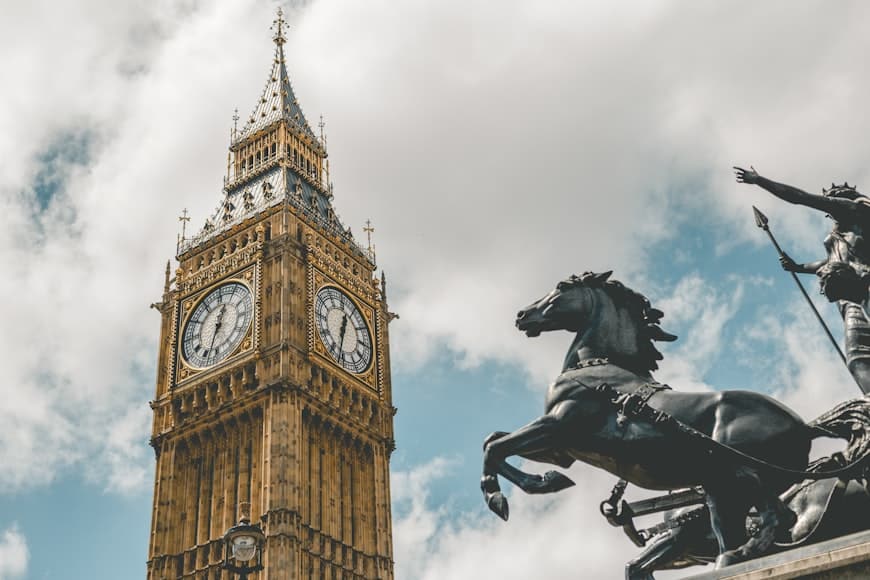
    Big Ben is a prime example of the neo-Gothic architectural style, which was prevalent during the Victorian era and sought to revive the grandeur of medieval Gothic structures. The design of Big Ben, spearheaded by architect Augustus Pugin, draws on various elements of Gothic architecture, such as pointed arches, spires, and intricate decorative stonework. The tower’s verticality emphasizes the aspiration for grandeur and strength, both in its form and symbolism.

    The Elizabeth Tower features ornate detailing, such as the decorative stonework around its base, pointed arches, and a variety of carvings that reflect the style’s reverence for tradition and history. The clock faces, with their gold and black design, are an iconic feature, visible from afar and representing the precision and reliability of British craftsmanship. Pugin’s design emphasized that even utilitarian structures could possess an aesthetic beauty that would elevate the surrounding environment.

    Big Ben’s Gothic Revival style was not just a choice of beauty, but a conscious effort to reflect the values of the time—nostalgia for a romanticized past, national pride, and the desire to reconnect with the artistic expressions of the medieval age.

    The Clock Mechanism: Engineering Marvels Within

    The clock mechanism of Big Ben is a mechanical marvel in itself, demonstrating the incredible engineering feats of the time. The Great Clock, designed by Edmund Beckett Denison, is one of the most accurate and intricate clock mechanisms ever created. It is powered by a massive, 13.5-ton bell, which strikes the hour with a deep, resonant tone that echoes throughout London.

    One of the most fascinating aspects of the clock is its pendulum, which regulates the passage of time. The pendulum is highly sensitive to changes in temperature, and a series of weights are used to compensate for these fluctuations, ensuring the clock remains accurate. The clock’s design has undergone periodic updates and improvements over the years, but its core mechanism, devised during the 19th century, remains largely unchanged.

    Maintaining the accuracy of the Great Clock is a delicate balance. Regular adjustments are made to ensure the pendulum remains at the correct length, accounting for changes in the weather and environment. The clock’s ability to maintain precision, despite the passage of time and the influence of external factors, is a testament to the remarkable engineering vision of its creators.

    Big Ben’s Legacy: Symbolism and Cultural Impact

    Big Ben as a Cultural Icon

    Big Ben’s iconic status goes far beyond its role as a timekeeper. It has become a symbol of British endurance and identity, often depicted in media, literature, and films as the quintessential image of London. From New Year’s Eve celebrations to royal occasions, Big Ben has marked countless important moments in British history. The tower’s chimes, which can be heard across London, have been the backdrop to everything from joyous celebrations to moments of national mourning.

    The global recognition of Big Ben also extends to its cultural influence. It is instantly recognizable worldwide, symbolizing not only the city of London but the very essence of the United Kingdom. From the bells that toll during significant moments to the ringing of the hour that resonates across the city, Big Ben’s sound has become synonymous with British tradition and unity.

    The Tower’s Role in British Identity

    Throughout its history, Big Ben has borne witness to the defining moments of British history. Its clock has signaled both the triumphs and tragedies of the nation, from the end of World War II to the passing of Queen Victoria. The tower has been a steadfast presence during both times of great change and moments of continuity, providing a constant and enduring symbol of British resilience.

    Big Ben’s cultural significance goes beyond its architectural beauty; it plays a crucial role in the shaping of the British national identity. Whether marking national holidays, commemorating significant events, or symbolizing moments of unity, Big Ben has become a powerful reflection of the British spirit. It remains a connection to the past, a symbol of the country’s history, and a reminder of its future.

    Big Ben’s Enduring Appeal: Inspiring Architecture and Design

    Big Ben’s architectural design continues to inspire architects and designers today. The neo-Gothic style has influenced a wide range of buildings, both in Britain and abroad. Many modern buildings reference Big Ben’s intricate detailing, pointed arches, and vertical lines, showcasing how timeless designs continue to shape contemporary architecture.

    The tower’s influence on modern design extends beyond its aesthetic qualities. Its remarkable engineering and design principles continue to inform the creation of monumental public structures around the world. The lasting appeal of Big Ben lies not only in its function as a timepiece but also in the beauty and innovation that define its creation.

    Conclusion: Celebrating Architectural Excellence

    Big Ben’s legacy is one of enduring beauty, craftsmanship, and national pride. The tower is a remarkable blend of engineering precision and architectural grandeur, representing not only the technical achievements of the Victorian era but also the timeless values of strength, resilience, and heritage. As one of the world’s most iconic landmarks, Big Ben continues to inspire awe and admiration for its historical significance and its monumental design. A visit to this historic structure is an opportunity to appreciate not only its impressive scale but also the artistry and innovation behind its creation.

    For those who wish to explore Big Ben’s design further, many resources—books, documentaries, and even personal visits—offer a deeper understanding of its history, its architecture, and the ongoing efforts to preserve it for future generations. Big Ben is more than a clock; it is a lasting tribute to the spirit of London and to the architects and engineers who brought this magnificent structure to life.

  • A Scenic Thames River Cruise: Discover London from the Water

    A Scenic Thames River Cruise: Discover London from the Water

    What You’ll See on a Thames River Cruise

    Exploring London from the Thames River offers a completely different perspective of the city. A river cruise gives you a chance to see some of London’s most iconic landmarks from a tranquil and scenic vantage point. Whether you’re looking for historic views or modern cityscapes, a Thames river cruise brings the best of both worlds.

    1. Westminster Bridge & The Houses of Parliament

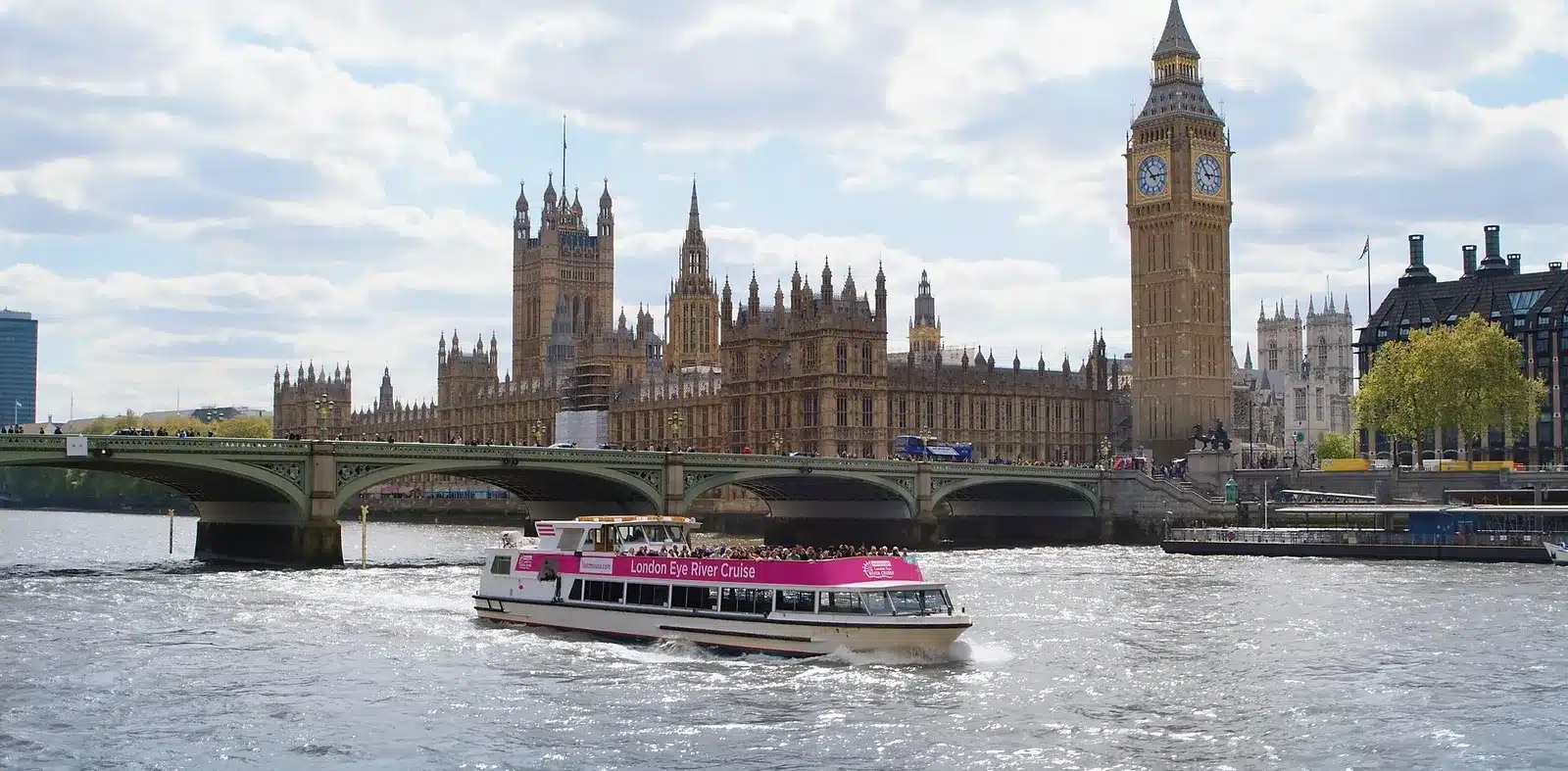
    As you set off, you’ll pass Westminster Bridge with a clear view of the Houses of Parliament and Big Ben standing tall along the river. These majestic buildings, with their intricate Gothic architecture, are some of London’s most recognizable sights.

    2. The London Eye

    Moving further along the river, the London Eye rises high above the South Bank. This giant Ferris wheel offers stunning views, and as you float by, you’ll get a chance to admire its sheer size and design, especially if it’s lit up at night.

    3. The Southbank

    On the opposite side, the Southbank stretches alongside the river, home to cultural landmarks like the Tate Modern, Shakespeare’s Globe Theatre, and the National Theatre. The lively arts scene makes this area a great spot to experience the creative heart of London.

    4. St. Paul’s Cathedral

    As you continue east, you’ll pass St. Paul’s Cathedral, its towering dome rising above the skyline. From the river, you can appreciate the grandeur of this architectural masterpiece, which has stood the test of time since the 17th century.

    5. Millennium Bridge

    Next up is the Millennium Bridge, an elegant pedestrian suspension bridge that links St. Paul’s Cathedral with Tate Modern. It’s a sleek and modern addition to the London landscape, offering stunning views from the river.

    6. The Tower of London

    As you move closer to the historic heart of London, you’ll approach the Tower of London. This UNESCO World Heritage site, famous for its royal history, sits right next to the river, offering a commanding view from your boat.

    7. Tower Bridge

    One of the most iconic sights on the Thames, Tower Bridge stands tall and proud, often opening its bascules to let ships pass. From the river, you can admire this striking bridge in all its glory, whether it’s raised or not.

    8. Canary Wharf

    Passing through the eastern part of London, you’ll reach the Canary Wharf district, London’s modern financial hub. The towering glass skyscrapers here offer a sharp contrast to the historical sites you’ve passed earlier.

    9. The Shard

    Rising high above the city, The Shard is the tallest building in the UK. From the river, you can admire its sleek, glass facade and the incredible views it offers of the London skyline.

    10. London’s Bridges & Riverbank Views

    Along the way, you’ll also pass several other significant bridges like London Bridge, with its bustling traffic and unique design. The Thames Path runs along the river’s edge, offering scenic views of parks, gardens, and hidden riverside spots.

    A Thames river cruise gives you the perfect opportunity to experience London’s past and present all in one go. From medieval castles to contemporary skyscrapers, the cruise shows you the city from a fresh and tranquil perspective.

    Tailor-Made Tours and Bookings

    Want to make your Thames river experience even more special? Consider taking a tailor-made tour to suit your interests, or book one of the fantastic tours offered by London Strides. Whether you prefer a private guide or want to explore at your own pace, we can help you discover London in a way that’s perfect for you.

    Book your adventure today with London Strides and let us show you London from the river!

    Would you like more details on any of the tours? Feel free to ask!

  • Top 10 Must see destinations at and around Buckighham Palace

    Top 10 Must see destinations at and around Buckighham Palace

    Buckingham Palace is not just the heart of the British monarchy—it symbolizes grandeur, history, and timeless traditions. Situated in central London, this iconic royal residence is surrounded by captivating landmarks, lush royal parks, and historic treasures that tell stories of the city’s glorious past. Visitors from around the world flock to this area, not only to witness the splendor of the palace but also to explore the myriad attractions that lie just beyond its gates.

    From tranquil gardens and magnificent monuments to cultural gems and world-renowned shopping districts, the surroundings of Buckingham Palace offer something for everyone. Whether you’re captivated by the pageantry of the Changing of the Guard or seeking panoramic views of London’s skyline, this guide will help you discover the top 10 must-see destinations at and around Buckingham Palace for an unforgettable experience.

    1. Buckingham Palace and its Grounds

    Buckingham Palace is the epitome of British royalty. The official residence of the British monarch, this architectural marvel boasts 775 rooms and centuries of royal history. Visitors can admire the opulent exterior and majestic gates even when the Palace is closed to the public. During the summer months, the State Rooms are open for tours where visitors can marvel at the Throne Room, Grand Staircase, and exquisite art collections. The guided tours also provide fascinating insights into the royal family’s daily life.

    Don’t Miss:

    • The Changing of the Guard Ceremony: A must-see event, this colorful military tradition takes place at 11 AM daily in the summer and every other day in winter. Arrive early to secure the best viewing spot near the Victoria Memorial.
    • The Palace Gardens: Accessible during select summer openings, these serene gardens cover 39 acres and feature a beautiful lake and over 300 types of wildflowers.

    2. St. James’s Park

    Just a stone’s throw from Buckingham Palace, St. James’s Park is a green oasis in the heart of London. This 57-acre royal park offers stunning views of the Palace, tranquil ponds, and well-maintained walking paths.

    Visitors can spot ducks, geese, and even the park’s famous pelicans, which have resided here since the 17th century. The Blue Bridge provides one of the most picturesque views of the London Eye, Big Ben, and Buckingham Palace all in one frame.

    Tip: Pack a picnic and enjoy it near the park’s lake while taking in the lush surroundings.

    3. Westminster Abbey

    A 700-year-old masterpiece of Gothic architecture, Westminster Abbey is a UNESCO World Heritage site and one of London’s most iconic landmarks. The Abbey has hosted numerous royal weddings and coronations, including that of Queen Elizabeth II.

    Visitors can explore Poets’ Corner, where literary greats like Charles Dickens and Geoffrey Chaucer are memorialized. The impressive stained-glass windows and towering arches add to the awe-inspiring ambiance. Audio-guided tours are available for those who want in-depth historical insights.

    4. Houses of Parliament and Big Ben

    Directly across the River Thames from Buckingham Palace is the iconic Houses of Parliament, home to the UK government. The Gothic Revival architecture of this building, combined with the grandeur of the adjoining Big Ben, makes it a must-see destination.

    Guided tours take visitors through the historic chambers and provide fascinating details about Britain’s political system. Though Big Ben was under renovation, it has recently emerged in its full glory, ringing out once again over the city.

    5. The London Eye

    A ride on the London Eye is a must for unparalleled views of Buckingham Palace and the surrounding landmarks. Standing at 443 feet tall, this giant Ferris wheel offers 360-degree panoramic views of the city.

    Each ride takes approximately 30 minutes, providing ample time to capture stunning photographs and spot iconic sites such as the River Thames, Tower Bridge, and St. Paul’s Cathedral. Opt for a sunset ride to witness London bathed in golden hues.

    6. The Royal Mews

    The Royal Mews is one of the finest working stables in the world and is integral to the royal family’s transportation arrangements. Visitors can marvel at the magnificent carriages, including the iconic Gold State Coach, used during coronations and other significant events.

    The beautifully maintained horses are another highlight of the tour. Knowledgeable guides share stories about royal travel and the meticulous care given to the carriages and steeds.

    7. Green Park

    Adjacent to Buckingham Palace lies Green Park, a peaceful haven filled with lush trees and grassy meadows. Unlike other royal parks, Green Park has no flower beds, giving it a more natural and understated charm.

    Visitors can enjoy a leisurely walk along the tree-lined paths or simply relax on one of the park’s many benches. The park is also home to the Canada Memorial, a touching tribute to Canadian soldiers who fought alongside British forces.

    8. Victoria Memorial

    Located directly in front of Buckingham Palace, the Victoria Memorial is a grand and intricate monument dedicated to Queen Victoria. The statue features a gleaming gold figure of Victory atop a marble pedestal, surrounded by allegorical statues representing Justice, Truth, and Motherhood.

    This area is not only a prime spot for photographing the Palace but also a gathering place for visitors awaiting the Changing of the Guard. The fountain base offers a place to sit and soak in the regal atmosphere.

    9. Churchill War Rooms

    Just a short walk from Buckingham Palace, the Churchill War Rooms provide a captivating glimpse into Britain’s wartime history. This underground bunker complex was the nerve center for British operations during World War II and remains preserved exactly as it was during the war.

    Visitors can explore the Map Room, Churchill’s personal quarters, and interactive exhibits detailing the life and legacy of Britain’s wartime Prime Minister, Winston Churchill.

    10. Piccadilly and Bond Street Shopping Districts

    For those looking to indulge in some retail therapy, the shopping districts near Buckingham Palace are a dream come true. Bond Street is renowned for its luxury boutiques and designer labels, while Piccadilly offers a mix of high-end stores and iconic landmarks like Fortnum & Mason, London’s most famous tea shop.

    Don’t Miss:

    • Afternoon Tea at Fortnum & Mason: Enjoy a quintessentially British afternoon tea experience with delightful pastries and perfectly brewed tea.
    • Savile Row: Known for its bespoke tailoring, this street is a must-visit for fashion enthusiasts.

    Conclusion

    In summary, Buckingham Palace and its surrounding attractions present a fascinating blend of royal heritage, natural beauty, and cultural landmarks. From the opulence of the State Rooms to the tranquility of St. James’s Park and the timeless architecture of Westminster Abbey, every destination offers visitors a chance to immerse themselves in London’s rich history and charm. Whether you’re strolling through picturesque gardens or enjoying a delightful afternoon tea experience, there’s always something new to discover.

    If you’re seeking a deeper connection to London’s historical past, consider exploring it with London Strides. Our expertly guided tours take you through some of the city’s most iconic landmarks, including Westminster Abbey, Big Ben, and Buckingham Palace. Gain fascinating insights into British monarchs, political history, and architectural marvels, all while enjoying priority access to Westminster Abbey with our skip-the-line tickets. This immersive 4-hour walking tour offers a compact yet enriching experience, perfect for travelers who want to make the most of their time in London.

  • Top 10 Must-See Features of Westminster Abbey

    Top 10 Must-See Features of Westminster Abbey

    Westminster Abbey is one of London’s most iconic landmarks, rich in history, architecture, and cultural significance. As a coronation church since 1066 and the resting place of numerous British monarchs and influential figures, it offers countless sights worth exploring. Below are the top 10 must-see features:

    1. The Coronation Chair

    Crafted in 1300–1301 for King Edward I, this historic oak chair has been the centerpiece of English coronations for over seven centuries. It was originally gilded to resemble solid gold, though much of its decoration has faded over time.

    2. Poets’ Corner

    Located in the south transept, Poets’ Corner is the resting place of literary giants such as Geoffrey Chaucer, Charles Dickens, and Rudyard Kipling. It also features memorials to other esteemed writers, including William Shakespeare and Jane Austen.

    3. The Lady Chapel (Henry VII’s Chapel)

    This magnificent chapel at the eastern end of the Abbey was commissioned by Henry VII and is dedicated to the Blessed Virgin Mary. Known for its intricate fan-vaulted ceiling and carved stalls, it houses the tombs of Henry VII and his wife, Elizabeth of York.

    4. The High Altar and Cosmati Pavement

    The High Altar, where royal coronations take place, is fronted by the Cosmati Pavement, a stunning mosaic floor laid in 1268. The intricate design, made of glass and marble, is considered one of the finest examples in Northern Europe.

    5. The Quire (Choir)

    The Quire features wooden stalls assigned to high commissioners of the Commonwealth. The current Choir, built in the 19th century, continues the tradition of monastic choirs dating back to medieval times.

    6. The Queen’s Window

    Unveiled in 2018, this modern stained glass window by artist David Hockney celebrates the reign of Queen Elizabeth II. It depicts a vibrant Yorkshire countryside scene, offering a contemporary contrast to the Abbey’s historic interiors.

    7. The North Ambulatory

    This section houses several significant tombs, including that of Edward the Confessor, the Abbey’s founder. His shrine, although closed to visitors due to its fragility, remains a focal point of reverence.

    8. The Tomb of the Unknown Warrior

    Located in the nave, this solemn memorial honors an unidentified British soldier who died during World War I. Laid to rest in 1920, it serves as a poignant tribute to all those who have lost their lives in conflict.

    9. The Pyx Chamber

    One of the oldest surviving parts of the Abbey, the Pyx Chamber dates back to the 11th century. Originally used as a treasury, it offers a glimpse into the Abbey’s medieval past.

    10. The Chapter House

    This octagonal chamber, with its medieval tiled floor and stunning stained glass windows, was once a meeting place for the Abbey’s monks and later for the King’s Great Council and Parliament. Its walls are adorned with 14th-century murals depicting scenes from the Apocalypse.

    Westminster Abbey offers an awe-inspiring journey through centuries of history, architecture, and culture, making it an essential destination for anyone exploring London. Whether you’re captivated by medieval craftsmanship or inspired by royal traditions, these top features will leave a lasting impression.

  • Exploring Agincourt, Henry V, and a Royal Connection to Modern Controversy

    Exploring Agincourt, Henry V, and a Royal Connection to Modern Controversy

    History and modern-day events have a unique way of intertwining, especially when it comes to royal legacies. A visit to Westminster Abbey is more than just a trip through centuries of British history; it’s a walk through the stories of kings and queens, wars and peace, triumphs and tragedies. A particularly captivating part of this experience is exploring the legacy of one of England’s most iconic monarchs, Henry V, and the famous Battle of Agincourt, which has recently been brought back into the spotlight due to a contemporary naval controversy.

    The Battle of Agincourt: A Defining Moment of the Hundred Years’ War

    The Battle of Agincourt (1415) is one of the most celebrated English victories in the Hundred Years’ War, a series of conflicts that spanned from 1337 to 1453 between England and France. Under the leadership of King Henry V, the English army achieved a stunning victory against a much larger French force, thanks to superior tactics and the effective use of longbowmen. The battle has become emblematic of English resilience and military prowess, and it holds a special place in both national consciousness and in the annals of military history.

    This victory helped cement Henry V’s reputation as one of England’s greatest monarchs and set the stage for his eventual conquest of France—though his success was ultimately short-lived, as he died just six years later at the young age of 35.

    Henry V’s Burial at Westminster Abbey: A Royal Resting Place

    Henry V’s final resting place is in Westminster Abbey, one of the most iconic landmarks in London. Located in the heart of the city, this historic church has been the burial site for many of England’s kings, queens, and notable figures. Henry’s tomb, located in the Abbey’s Henry VII Chapel, is a testament to his importance and legacy.

    When you visit Westminster Abbey today, you can pay your respects at Henry V’s tomb and reflect on the significance of his reign. His life, though tragically short, was one of remarkable achievement, particularly in securing a place for England in European history. The Abbey also houses numerous other historical artifacts and memorials from the period, offering a comprehensive look at the lives of those who shaped English history.

    Westminster Abbey Tour: A Journey Through Royal History

    A tour of Westminster Abbey offers an intimate look at some of the most significant moments in British history. As you walk through its hallowed halls, you will encounter the resting places of many famous historical figures, from monarchs to poets. For instance, nearby you’ll find the tomb of Sir Isaac Newton, the memorial to Charles Darwin, and the remains of famous poets like Geoffrey Chaucer and Thomas Hardy.

    The Abbey also serves as a repository of English culture, architecture, and religion, making it an essential stop for anyone interested in the legacy of the nation. As you explore, you’ll be immersed in the stories of those who lived through and helped shape tumultuous periods of history, such as the Hundred Years’ War.

    A Modern Twist: The Controversy of Agincourt and the Submarine ‘Woke’ Name Change

    In a strange twist of fate, the name “Agincourt” has made headlines once again, though this time not in the context of historical military triumphs, but because of a controversial decision involving the renaming of a British submarine.

    The Royal Navy’s decision to rename a new submarine from its original “Agincourt” title to one more “woke” in nature has stirred up debates across the UK. Critics argue that the renaming of a vessel after a defining moment in English history like the Battle of Agincourt dilutes the legacy and significance of the event, while supporters claim that the name change reflects modern values. The debate over this “woke” renaming has generated conversations about how history is remembered, interpreted, and symbolized in today’s world.

    Interestingly, this decision has led to renewed discussions about historical legacies—especially in relation to figures like Henry V and the military events that shaped nations. Many see it as a reflection of how current social and political climates are revisiting the meanings we attach to iconic symbols of the past.

    Final Thoughts: A Journey Through Time and Modern Relevance

    A tour through Westminster Abbey not only allows visitors to step back in time and reflect on the history of kings like Henry V but also provides an opportunity to engage with ongoing discussions about how history is interpreted today. Whether it’s the legacy of the Hundred Years’ War, the valor of the Battle of Agincourt, or the modern-day controversy surrounding the renaming of the Agincourt submarine, history remains as relevant today as ever.

    If you find yourself in London, make sure to take the Westminster Abbey tour to uncover the layers of history embedded in this magnificent site. Along the way, you’ll also gain insight into how England’s royal legacy continues to shape debates about national identity and cultural memory.

    Have you been to Westminster Abbey? What’s your take on the recent controversy over the name change of the Agincourt submarine? It’s fascinating how these threads of history and modern concerns can intertwine!

    Image Courtesy: The Battle of Agincourt by William Kent, c. 1729, via the Royal Collection Trust